CVI GUN VIOLENCE
INTERVENTION & PREVENTION
Interrupt the Cycle. Change the Decision. Build a Safer Future.
A participant-centered Community Violence Intervention program focused on violence prevention, retaliation prevention, conflict de-escalation, personal safety, behavioral change, stability, and positive life direction.
WHAT IS CVI?
FTSTS's CVI program is designed to help participants recognize exposure to violence and conflict, identify situations where intervention is possible, develop safer responses, and prevent retaliation. Participants strengthen decision-making, build personal safety strategies, and develop positive relationships and support systems. The program also improves stability through employment, education, housing and economic opportunity, while developing leadership and accountability.
THE EIGHT
PILLARS
01UNDERSTANDING THE CYCLE
Recognize how exposure, conflict, retaliation, fear, grief, instability and other pressures can reinforce one another.
 02
CONFLICT INTERVENTION
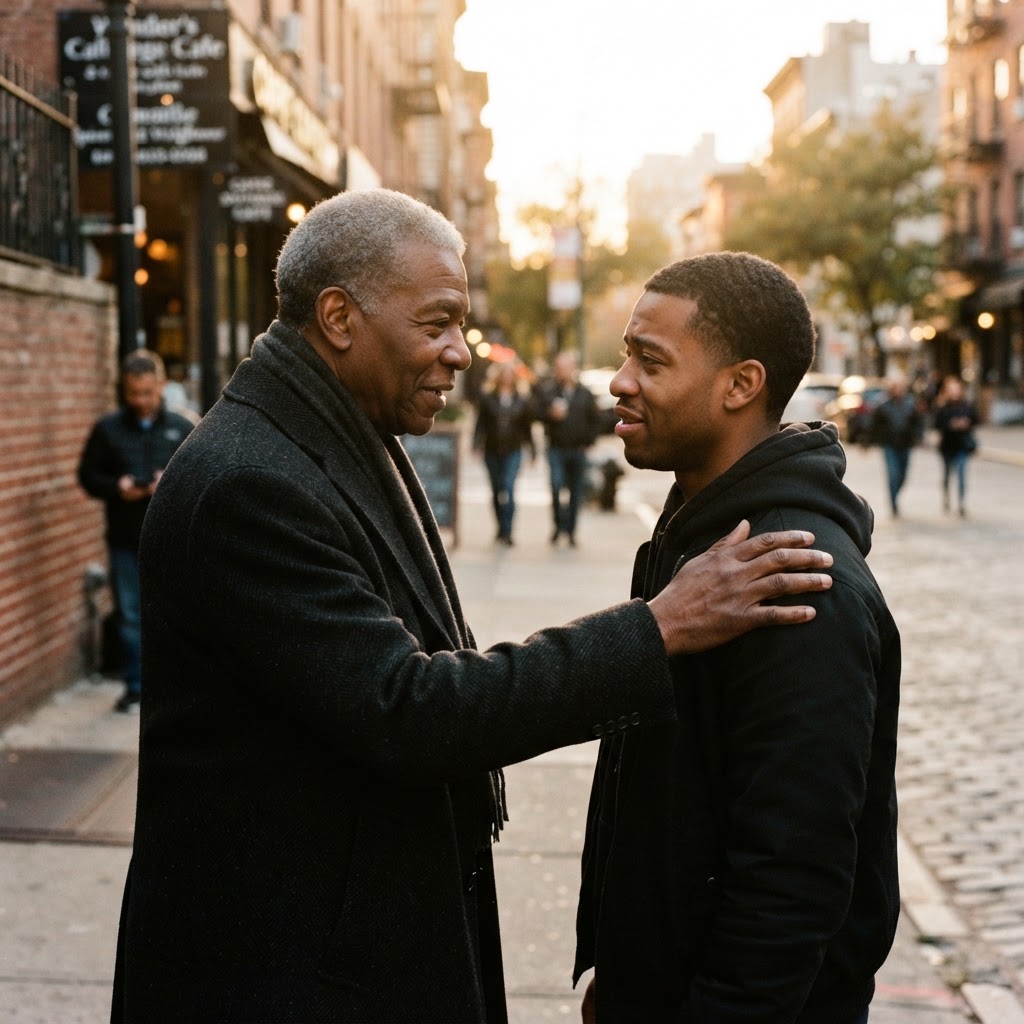
Identify escalating conflict and recognize opportunities to interrupt the cycle before situations become more dangerous.
 03
DE-ESCALATION & DECISION-MAKING
Develop responses that create time, distance and safer options instead of escalating conflict.
 04
RETALIATION PREVENTION
Develop strategies for navigating the critical period following a shooting or serious violent incident.
 05
PERSONAL SAFETY
Create practical plans involving high-risk situations, safe locations, trusted people, transportation, communication boundaries and appropriate emergency resources.
 06
STABILITY & ECONOMIC MOBILITY
Connect violence prevention with employment, education, housing, financial stability and legitimate economic opportunity.
 07
LEADERSHIP & COMMUNITY IMPACT
Help participants move from surviving violence toward becoming part of the solution.
 08
PROGRESS & ACCOUNTABILITY
Track individual progress and development over time.
HOW THE
PROGRAM WORKS
This landing page offers an overview of the program's progression — it does not replace the full FTSTS curriculum.
A PRACTICAL,
PARTICIPANT-CENTERED
EXPERIENCE
Participants work through practical exercises and guided discussions addressing:
THE CVI
WORKBOOK
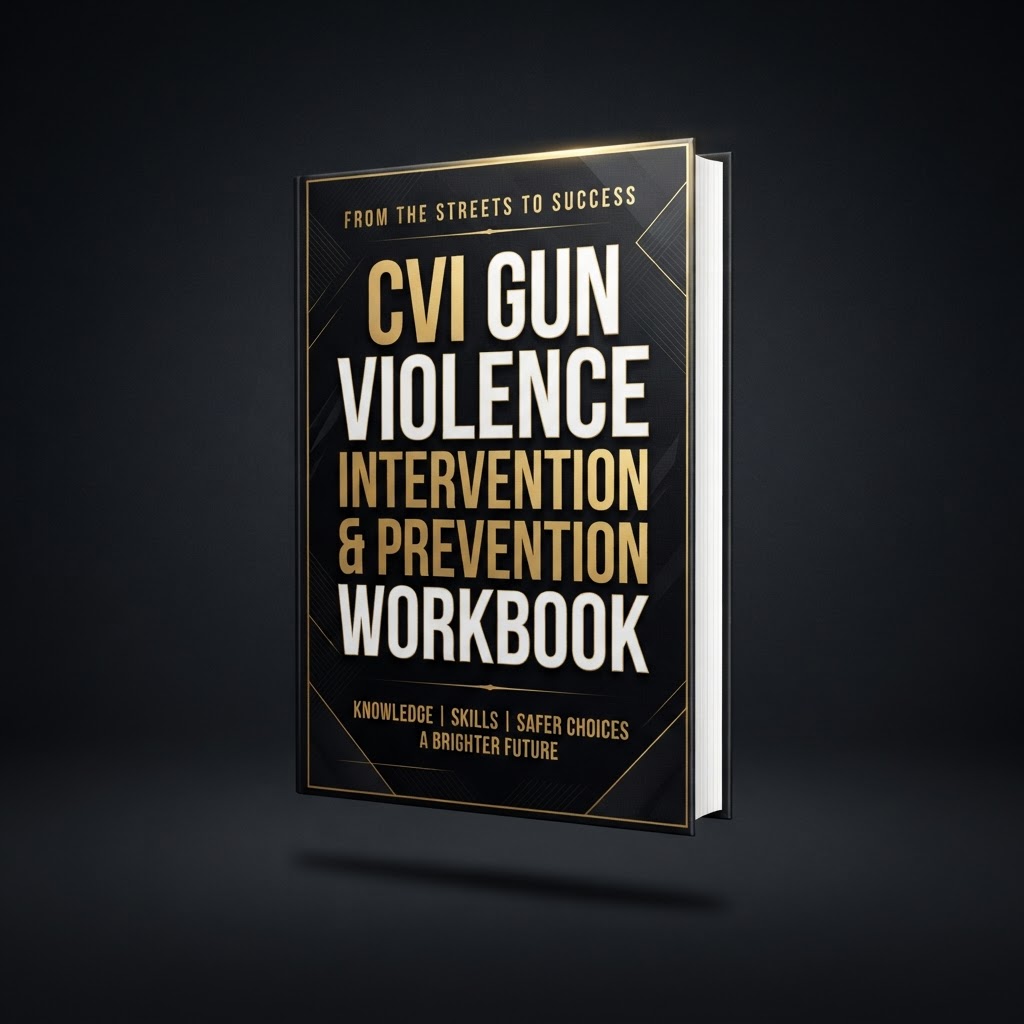
A structured participant workbook designed to support credible-messenger outreach, violence interruption, retaliation prevention, behavioral development, safety planning, stability, economic mobility and positive life direction.
EXPLORE THE CVI PROGRAMThe program focuses on prevention, intervention, de-escalation, safety planning, trusted relationships, support connections and positive life direction.
This program does not train participants to carry weapons, conduct enforcement, retaliate, gather evidence, or confront armed individuals.
BUILDING A
SAFER FUTURE
Participants can work toward measurable improvements in:
READY TO BUILD A
DIFFERENT FUTURE?
The path forward starts with a different decision.